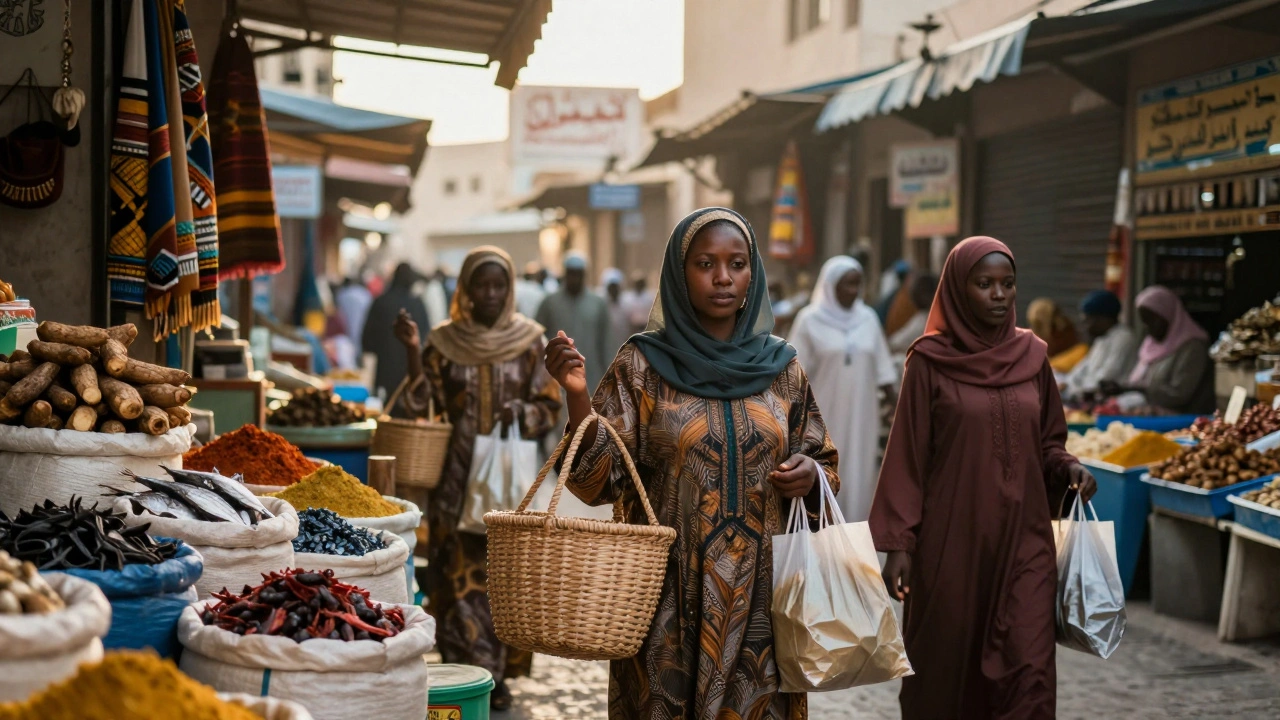
More than 200,000 African women live in Dubai today. They come from Nigeria, Kenya, Ethiopia, Ghana, Cameroon, and beyond-not as tourists, not as visitors, but as residents building lives in one of the world’s most dynamic cities. Their stories aren’t told in glossy magazines or nightlife reels. They’re in the quiet corners of Deira’s markets, the early morning shifts at hospitals in Jebel Ali, the tutoring centers in Al Quoz, and the WhatsApp groups where they share job leads, housing tips, and warnings about scams.
Why African Women Choose Dubai
Dubai doesn’t advertise itself as a destination for African women. But word spreads fast. A sister gets a job as a nurse at a private clinic. A cousin lands a role in logistics with a global firm. A friend opens a small beauty salon in Al Barsha. These aren’t rare cases-they’re common pathways.
For many, Dubai offers something simpler than opportunity: safety. Unlike some countries where women face restrictions on travel, employment, or banking, Dubai allows African women to work, open bank accounts, rent apartments, and move freely without needing male permission. The legal framework, while not perfect, gives them a structure they can navigate.
Salaries matter too. A nurse from Lagos might earn 3,500 AED a month in Dubai-double what she’d make back home. A receptionist from Nairobi can save 1,800 AED monthly after rent and food. That’s not luxury. It’s survival with dignity.
Where They Live and Work
You won’t find African women clustered in one neighborhood. They’re spread across the city, shaped by jobs, budgets, and networks.
- Deira and Bur Dubai: Home to many new arrivals. Affordable rent, African grocery stores, and community centers. Many work in retail, cleaning, or as domestic staff.
- Jebel Ali and Industrial Areas: Nurses, lab technicians, and warehouse supervisors live here. These jobs often come with employer-provided housing.
- Al Quoz and Dubai Silicon Oasis: Young professionals-software testers, accountants, translators-live in shared flats. Many work for startups or remote firms.
- Dubai Marina and Jumeirah: A smaller group, often in management or education roles. They’re more visible, but less numerous.
Many African women work in healthcare. According to UAE Ministry of Health data from 2024, over 18% of licensed nurses in Dubai are from African countries. Most are women. They fill critical gaps in a system that relies heavily on foreign labor.
Community and Culture
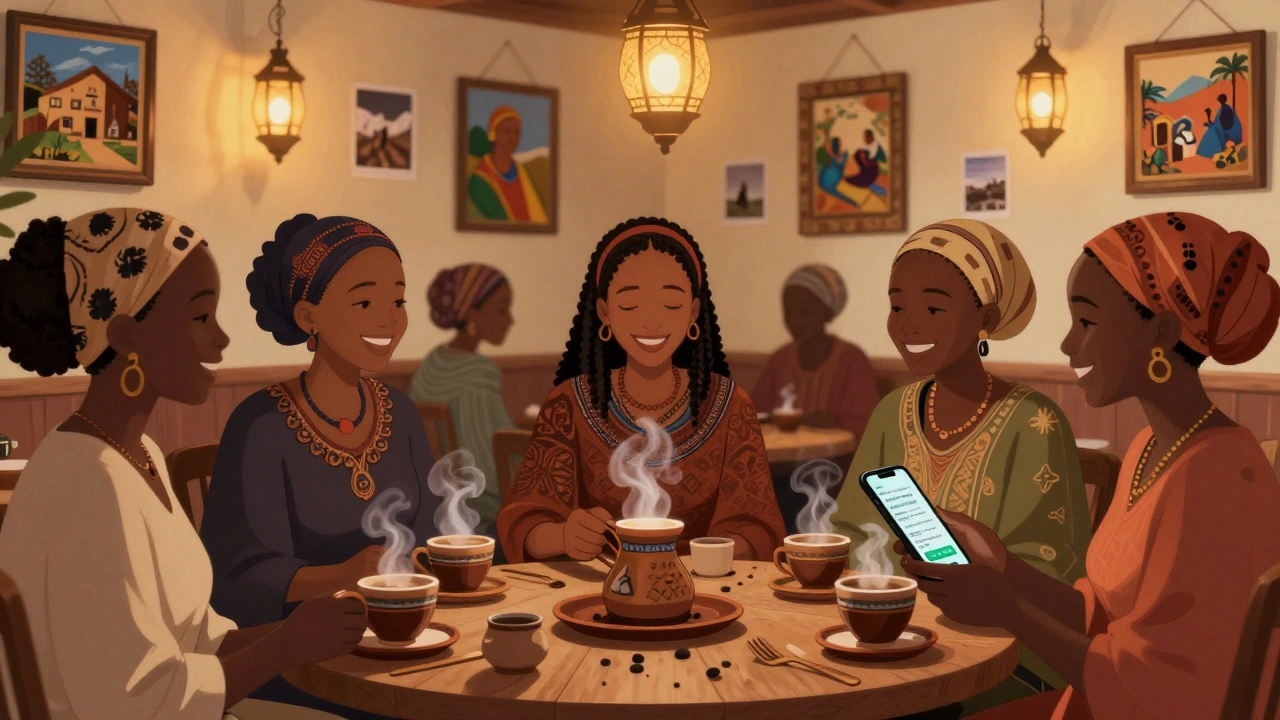
Outside of work, community is everything. Churches, mosques, and cultural associations become lifelines. The Nigerian Women’s Association in Dubai holds monthly gatherings. Ethiopian coffee circles meet every Sunday in Al Satwa. Ghanaian mothers organize kids’ soccer matches in Al Nahda Park.
These aren’t just social events. They’re support systems. When someone loses a job, someone else offers a spare room. When a visa renewal gets delayed, someone shares a lawyer’s number. When a young woman is harassed by a landlord, the group steps in.
Food plays a big role too. African restaurants in Dubai aren’t just for tourists. They’re gathering spots. At Spice Route in Al Rigga, you’ll hear Yoruba, Amharic, and Swahili spoken over jollof rice and injera. The owner, a Nigerian woman who moved here in 2018, says 70% of her customers are African women.
Challenges They Face
Dubai isn’t easy. It’s expensive. It’s isolating. And it’s full of hidden rules.
Many African women face discrimination-not always loud, but constant. A job posting might say “prefer European applicants.” A landlord might refuse to rent to someone with a Nigerian passport. A colleague might assume they’re a housekeeper.
Visa dependency is another issue. Most work under employer sponsorship. If they quit, they have 30 days to leave or find a new sponsor. That creates fear. Many stay in bad jobs because they’re afraid of losing their legal status.
Language barriers also matter. Not everyone speaks fluent English. Some don’t know how to read their contracts. That makes them vulnerable to exploitation. There are reports of women being paid less than agreed, or forced to work extra hours without pay.
But here’s what you won’t hear in the news: African women are organizing. Groups like African Women in Dubai and Her Voice UAE offer free legal workshops, language classes, and mental health support. They’ve helped over 1,200 women file labor complaints since 2022.
Success Stories You Won’t See on Instagram
Not every story is about struggle. Some are about rising.
Chiamaka from Nigeria started as a receptionist in a Dubai clinic. She studied English at night, passed her nursing certification, and now runs a private physiotherapy center in Al Warqa. She employs five other African women.
Adaeze from Ghana opened a small tailoring shop in Al Quoz. She teaches young women how to sew. Her clients? Local Emiratis and expats who want custom African prints. She’s saving to buy her own space.
Meseret from Ethiopia works as a data analyst for a fintech startup. She moved here with $200 in her pocket. Now she sends money home to support her siblings’ education.
These aren’t outliers. They’re the result of persistence, community, and a system that-despite its flaws-still lets people climb if they’re willing to work.
What Most People Get Wrong
Media often paints Dubai’s African women as either victims or exotic figures. Neither is true.
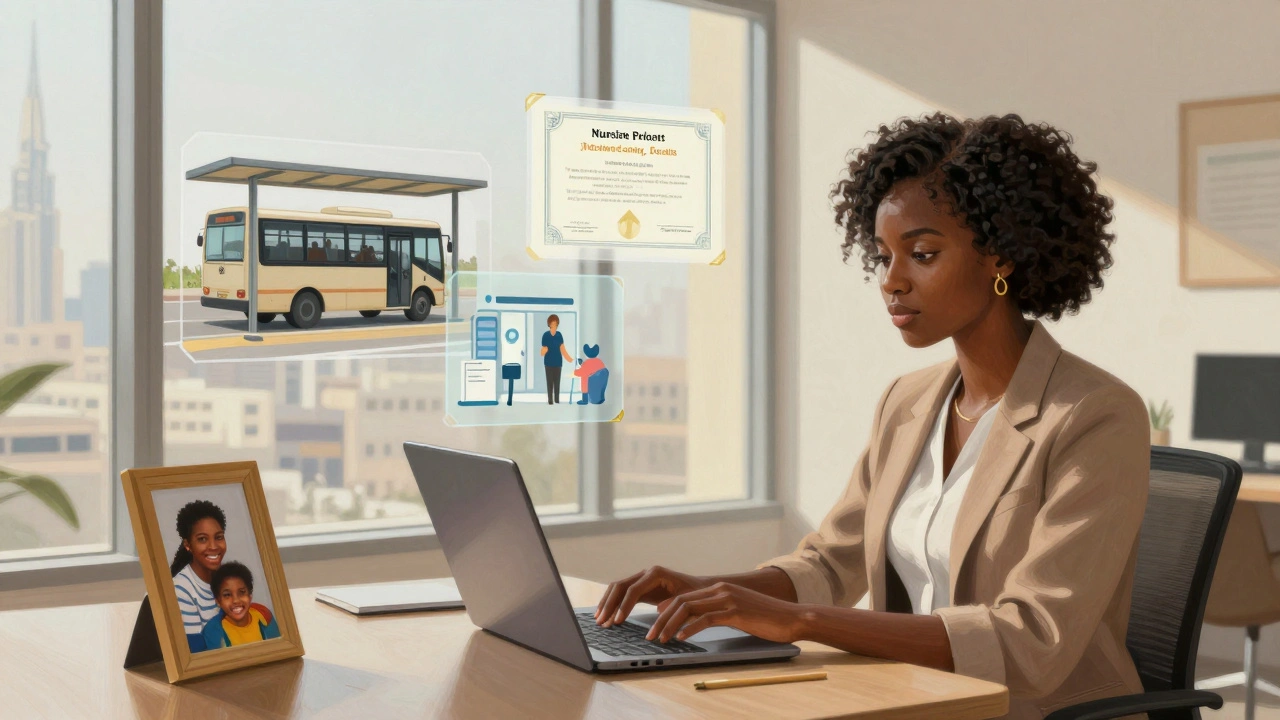
They’re not here because they’re desperate. Many came with degrees, plans, and savings. They’re not here to find men. Most are focused on careers, education, and family. They’re not invisible-they’re just not in the party photos.
And they’re not a monolith. A 22-year-old from Kampala working as a hotel housekeeper has different needs than a 38-year-old doctor from Accra. Their goals, fears, and dreams vary widely.
What ties them together? A quiet determination. A refusal to be defined by someone else’s assumptions. A belief that if they work hard, their children will have more.
How to Support African Women in Dubai
If you live here, you’re probably around them every day. Here’s how you can help:
- Don’t assume their job. Ask what they do.
- Pay them what you agreed to. No exceptions.
- If you know someone who’s being treated unfairly, speak up. Report labor violations to the Ministry of Human Resources and Emiratisation.
- Buy from African-owned businesses. A cup of coffee at a Ghanaian café supports a family.
- Volunteer with groups like African Women in Dubai. They need tutors, translators, and mentors.
Dubai thrives because of people like them. They clean your hotel rooms, care for your elderly parents, code your apps, and teach your kids. They don’t ask for applause. But they deserve respect.
Are African women allowed to work in Dubai?
Yes. African women can legally work in Dubai in any profession they’re qualified for, from nursing to engineering to IT. They need a work visa sponsored by an employer, which is standard for all foreign workers. There are no laws banning them from any job based on nationality or gender.
Do African women in Dubai face racism?
Yes, some do. Discrimination exists, often in subtle ways-like being passed over for promotions, being asked to prove their qualifications more than others, or being treated as less professional. But it’s not universal. Many African women report positive experiences, especially in workplaces with strong HR policies. Awareness and advocacy groups are helping reduce these issues.
Can African women live alone in Dubai?
Absolutely. There’s no law requiring women to live with a male relative. Many African women live alone, in shared apartments, or with other women. Landlords cannot legally refuse to rent based on gender or nationality, though some still do. Women’s groups often share safe housing lists.
What’s the biggest challenge for African women in Dubai?
Visa dependency is the biggest structural challenge. Since most visas are tied to a single employer, women can’t easily leave abusive or unfair jobs without risking their legal status. This creates pressure to stay in bad situations. Groups are pushing for reforms to allow easier job transfers without losing residency.
Are there African women in leadership roles in Dubai?
Yes, though they’re still underrepresented. African women hold senior roles in healthcare, education, tech, and finance. For example, Dr. Amina Diallo from Senegal is the head of nursing at a major Dubai hospital. Aisha Nkosi from South Africa leads a digital marketing firm. Their presence is growing, and more are entering leadership training programs.
What Comes Next
The number of African women in Dubai will keep rising. More are coming for education, for careers, for freedom. They’re not here to stay forever-many plan to return home with savings, skills, and networks. But until then, they’re building something real.
They’re not asking for pity. They’re asking to be seen. Not as a stereotype, not as a trend, but as people-hardworking, smart, resilient, and full of dreams.
If you’re in Dubai, take a moment to notice them. Say hello. Support their businesses. Listen to their stories. That’s how change starts.