Dubai Turkish Community
When you think of the Dubai Turkish community, a large, active group of expatriates from Turkey who live, work, and build families in Dubai. Also known as Turkish expats in Dubai, they’re not just visitors—they’re shop owners, engineers, teachers, and entrepreneurs shaping neighborhoods from Deira to Dubai Marina. This isn’t a hidden group. You’ll see them in Turkish cafes serving fresh simit, at weekend bazaars selling handmade ceramics, and in the lines at the Turkish consulate in Al Barsha. They’re part of the city’s rhythm, not a side note.
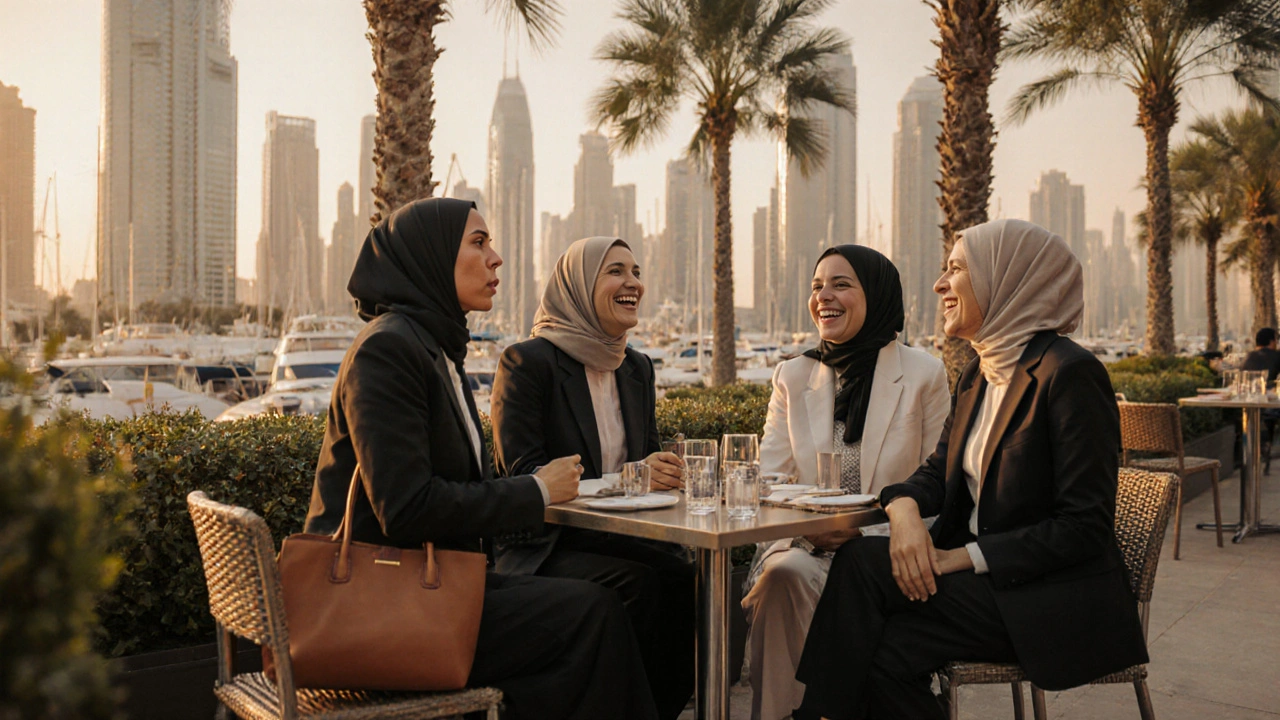
The Turkish women in Dubai, a diverse subset of the community including students, professionals, and mothers balancing tradition with life in a global city often lead double lives—wearing headscarves at family gatherings and business suits at corporate meetings. Many work in healthcare, education, or retail, and some run their own businesses. Unlike stereotypes, they’re not here by accident. Most came for opportunity, stability, or family, and stayed because Dubai lets them build something real. Their kids grow up speaking Turkish at home and Arabic or English at school, making them some of the most culturally fluid young people in the city.
The Turkish culture Dubai, a living blend of Ottoman traditions, modern Turkish media, and Emirati influences that shapes daily life for thousands isn’t just about food or music. It’s in the way families celebrate Ramadan together, how they organize weekend picnics at Al Marmoom, or how they run Turkish-language tutoring centers for kids who need to keep their roots alive. You’ll find Turkish newspapers at newsstands, Turkish TV dramas playing in apartments after work, and Turkish flags waving at national holidays. This culture doesn’t exist in isolation—it interacts with Emirati norms, South Asian communities, and Western expat life in ways you won’t see on tourist brochures.
There’s no official count, but estimates suggest over 100,000 Turks live in the UAE, with the majority in Dubai. They’re not here for short-term work—they’re here for the long haul. Schools, mosques, and Turkish-language radio stations prove it. And while the city’s laws don’t always make life easy, they’ve built networks that keep them connected: from WhatsApp groups for job leads to Turkish-owned clinics that understand their medical needs.
What you won’t find are flashy ads or escort listings tied to this group. The posts below don’t exploit stereotypes. They show real people—Turkish women working as nurses in Al Quoz, Turkish men running small import businesses near Al Rigga, families celebrating Nowruz in Jumeirah. This isn’t about fantasy. It’s about who’s actually here, what they do, and how they survive—and thrive—in one of the world’s toughest cities for expats.