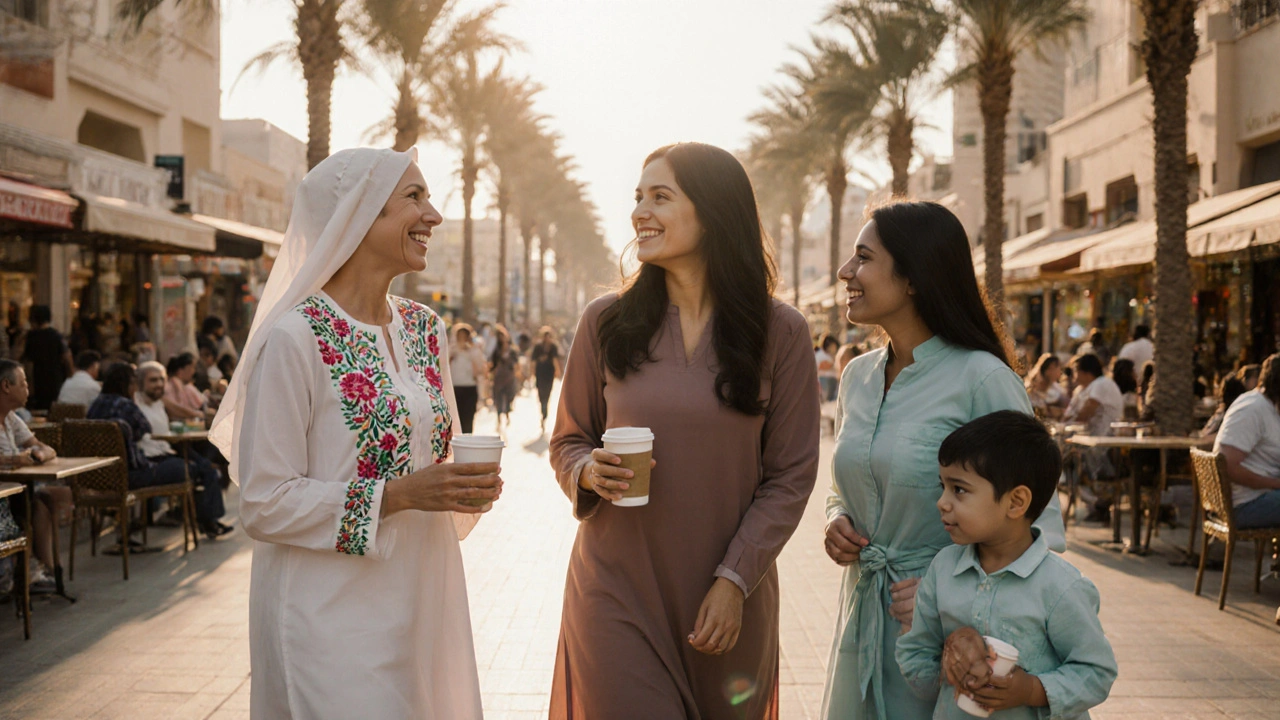
Dubai Beautiful Girls: What You Really Need to Know
Dubai is home to women from over 200 nationalities who work, lead, and thrive-not just pose for photos. Learn who they really are, beyond the stereotypes.
Read MoreMoving to Dubai can feel like stepping into a futuristic movie, but the everyday details matter most. From finding a place to live to getting around, this guide gives you the basics you’ll use the moment you land.
Rent is the biggest expense for most expats. A one‑bedroom apartment in a central area like Marina can cost 7,000 AED a month, while neighborhoods a bit farther out, such as Al Barsha, drop to around 4,500 AED. Look for listings on local portals and consider sharing a flat to cut costs. Remember to check the contract for utilities – water, electricity and internet are usually separate.
When you sign a lease, you’ll need a security deposit (often one month’s rent) and a post‑dated check for up to three months. Bring your passport, visa stamp and Emirates ID to complete the paperwork.
Your employer usually handles the work visa, but you still need to know the process. Once the visa is approved, you’ll get a residence permit that’s tied to your job. Changing jobs means a new permit, so keep copies of all documents handy.
The UAE has strict rules on public behavior – no drinking in public, modest dress in government areas, and zero tolerance for illegal drugs. Even seemingly harmless actions, like taking photos of certain buildings, can draw attention. Stay on the safe side and follow local customs.
Banking is straightforward once you have a resident visa. Major banks like Emirates NBD and Abu Dhabi Commercial Bank let you open accounts with just your passport and Emirates ID. Use a local bank card for everyday purchases and avoid high foreign transaction fees.
Transportation is a breeze with the Metro covering major routes, plus cheap taxis and ride‑hail apps like Careem and Uber. If you plan to drive, you’ll need a UAE driving license – you can convert many foreign licenses without taking a test.
Health care in Dubai is top‑notch but pricey without insurance. Most employers provide basic coverage; however, many expats opt for private international plans to avoid out‑of‑pocket bills. Keep your health card handy and know the nearest clinic for emergencies.
Social life for expats revolves around clubs, sports leagues and cultural events. Join Facebook groups for “Dubai Expats” or attend meet‑ups on Meetup.com to make friends quickly. Weekend brunches, desert safaris and beach clubs are popular ways to unwind and explore the city.
Finally, stay connected with your home country. International SIM cards are cheap, and many cafes offer free Wi‑Fi. Learning a few Arabic phrases – “shukran” (thank you) and “min faddak” (please) – goes a long way in building goodwill.
Dubai is home to women from over 200 nationalities who work, lead, and thrive-not just pose for photos. Learn who they really are, beyond the stereotypes.
Read More
This article breaks down what it's really like for Indian girls living in Dubai. It covers daily life, career moves, challenges, cultural vibes, and real tips for fitting in and thriving. You'll get the inside scoop on how Indian women find community, balance old and new cultures, and handle everything from job hunting to social life in a fast-paced city.
Read More