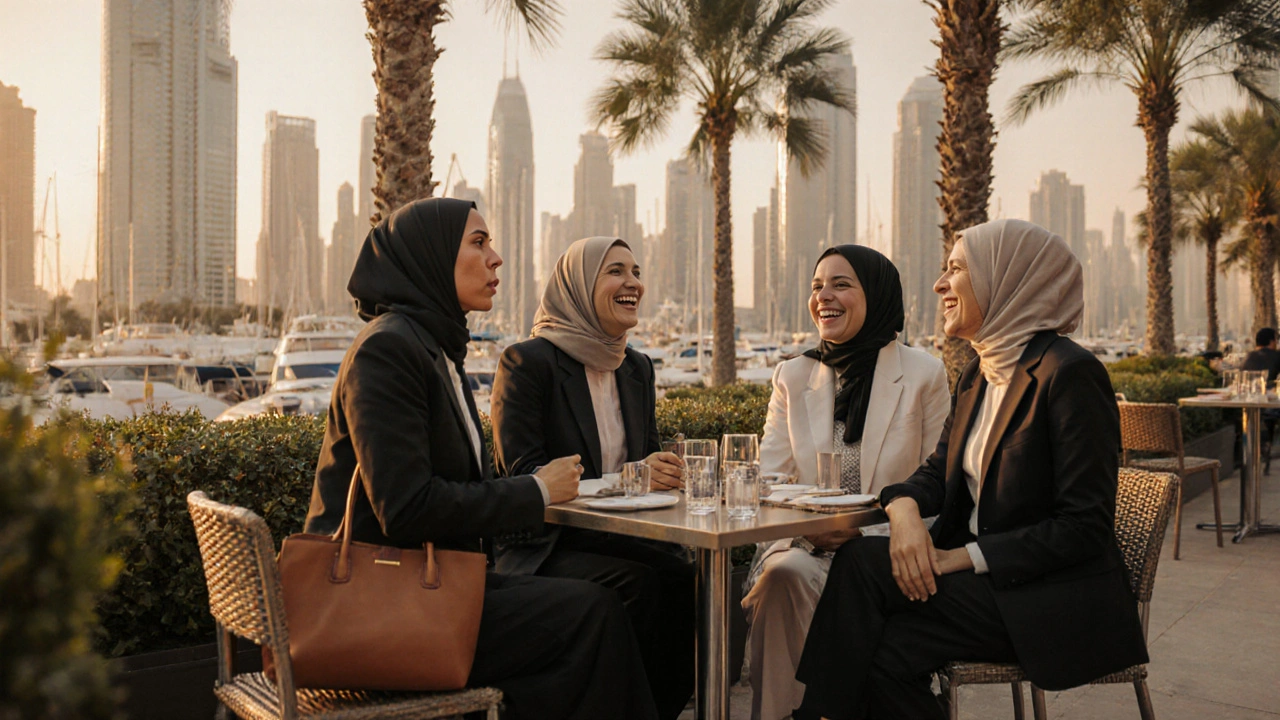
Turkish culture in Dubai
When you think of Turkish culture in Dubai, the vibrant blend of Ottoman traditions, modern Turkish life, and Emirati influences that shape the daily experiences of thousands of expats. Also known as Turkish expat life in the UAE, it’s not just about kebabs and Turkish coffee—it’s about family, faith, business, and identity lived out in one of the world’s most diverse cities.
Turkish expats in Dubai aren’t just visitors—they’re builders. From small family-run shops in Deira to high-end design studios in Business Bay, Turkish entrepreneurs have turned cultural roots into thriving businesses. You’ll find Turkish grocery stores stocking everything from pastırma to salep, Turkish-language mosques hosting Friday prayers, and Turkish schools where kids learn both Arabic and Ottoman-style calligraphy. This isn’t a tourist attraction. It’s a living, breathing community that’s been growing for over two decades. The Turkish community in Dubai is one of the largest foreign groups in the UAE, with estimates putting the population at over 200,000 people. That’s more than the entire population of some European countries.
What makes Turkish culture in Dubai stand out is how it adapts without disappearing. You’ll see Turkish women wearing headscarves next to Emirati women in abayas, both shopping at the same mall. Turkish TV dramas with Arabic subtitles play in waiting rooms and cafes. Turkish wedding traditions—like the henna night and the groom’s procession—are now common in mixed Emirati-Turkish families. Even the food has evolved: Turkish pide now comes with date syrup toppings, and Turkish delight is sold alongside baklava from Lebanon. This isn’t cultural erosion—it’s cultural dialogue.
But it’s not all smooth. Language barriers still exist. Some Turkish elders struggle with Arabic or English, making hospital visits or government paperwork stressful. Younger Turks often feel caught between two worlds—proud of their heritage but more comfortable speaking English than Turkish. And while the UAE is tolerant, there are still unspoken rules: public displays of affection are frowned upon, and mixing alcohol with religious observance can cause tension. The Turkish community navigates these quietly, often through private networks—WhatsApp groups, mosque committees, and neighborhood associations.
If you’ve ever walked through the Turkish quarter near Al Rigga or sat in a bustling cafe in Jumeirah and heard Turkish spoken around you, you’ve felt the presence of this culture. It’s not loud. It doesn’t need to be. It’s in the way Turkish men gather after prayer to play backgammon, in the smell of simit drifting from street carts, in the Turkish New Year celebrations that now draw Emirati friends too. This is culture as lived experience—not something you watch on TV, but something you breathe.
Below, you’ll find real stories and insights from people who live this every day. From Turkish women running businesses in Dubai Marina to families raising kids between two languages, these posts cut through the noise and show you what Turkish culture in Dubai really looks like—no filters, no myths, just facts.