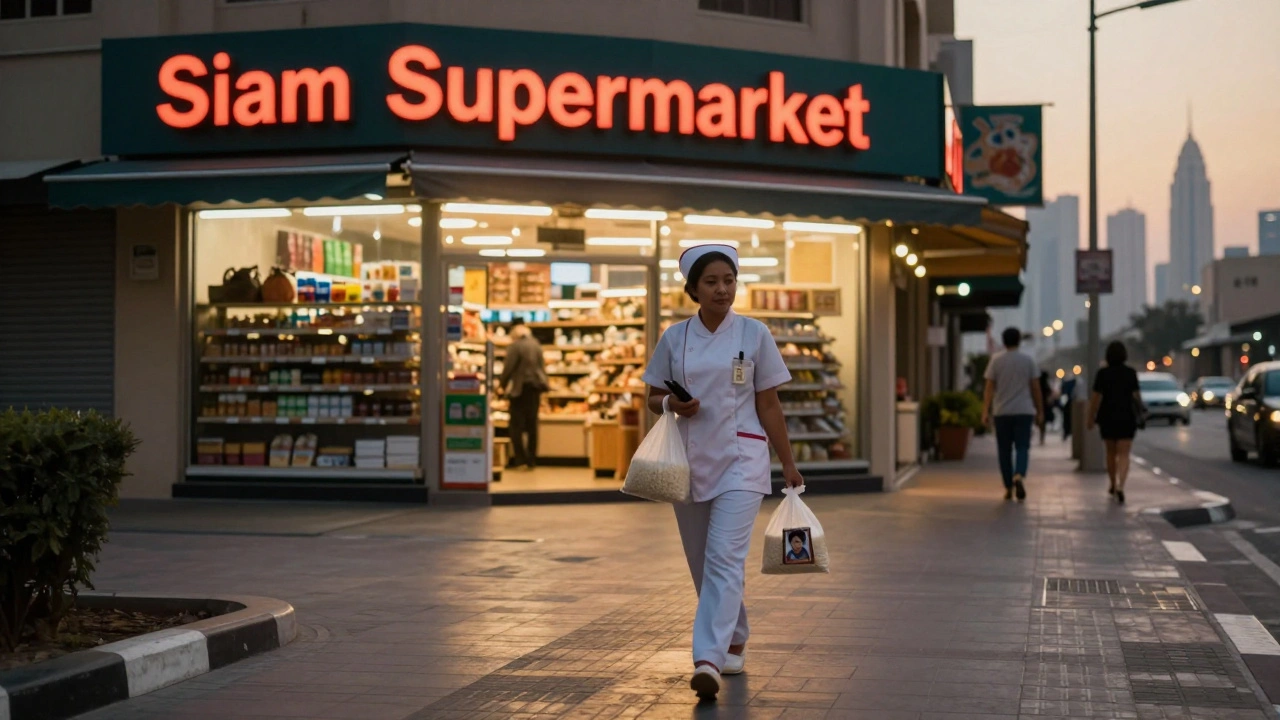
When you hear Thai girls in Dubai, what comes to mind? Maybe images of nightclubs, luxury malls, or exotic stereotypes. But the real story is quieter, deeper, and far more human. Thousands of Thai women live and work in Dubai-not as fleeting visitors, but as students, nurses, engineers, entrepreneurs, and mothers building lives far from home.
Why Do Thai Women Move to Dubai?
Thailand and the UAE have had strong labor ties since the 1990s. Thai women make up one of the largest Southeast Asian communities in Dubai, numbering over 60,000 according to Thai embassy estimates. Most come for work-not because they’re seeking adventure, but because they need to support families back home. Many work in healthcare. Thai nurses are highly sought after in Dubai hospitals for their training, discipline, and bedside manner. Others are teachers in international schools, hotel staff in five-star resorts, or office workers in finance and logistics. A growing number run small businesses: Thai food stalls in Deira, beauty salons in Jumeirah, or online shops selling Thai spices and silk. Unlike some other expat groups, Thai women often come alone, without spouses or children. They send home 60-80% of their income. A nurse earning 8,000 AED a month might send 5,000 AED to her parents or siblings in Isaan. That’s not just money-it’s survival.Where Do They Live?
You won’t find Thai girls clustered in one area like some other nationalities. But certain neighborhoods have strong Thai presence. Deira and Bur Dubai are hubs for low- to mid-income workers. Look for Thai grocery stores like Thai Market Dubai or Siam Supermarket-they’re more than shops. They’re community centers. You’ll hear Thai spoken, see women gathering after work, and find homemade papaya salad for sale. Jumeirah and Dubai Marina attract higher-income professionals-nurses working in private clinics, corporate admins, or those employed by Thai-owned businesses. These women often live in shared apartments with two or three others, splitting rent and cooking meals together on weekends. There’s also a quiet network of Thai women living in Al Quoz and Dubai Investment Park. These are often women working in manufacturing or logistics who prefer quieter, cheaper areas. They don’t post on Instagram. They don’t show up in tourist blogs. But they’re there.What’s Daily Life Really Like?
Life isn’t glamorous. Most Thai women wake up at 5:30 a.m. to catch a bus to work. Their shifts run 10-12 hours. Many work seven days a week, especially in healthcare and hospitality. They cook in small kitchens using electric hotplates. They buy rice, fish sauce, and lemongrass from Thai stores. They celebrate Songkran (Thai New Year) with small gatherings in parks, wearing traditional clothes and sharing sticky rice with mango. They don’t have big parties. They don’t need to. For them, it’s about connection. Social media plays a big role. WhatsApp groups are how they find jobs, share housing tips, or warn each other about shady landlords. One group called “Thai Sisters in Dubai” has over 12,000 members. They don’t post selfies. They post: “Need a roommate near Dubai Healthcare City,” or “Who knows a good Thai dentist?”Challenges They Face
Being a Thai woman in Dubai isn’t easy. Cultural differences hit hard. Language is a barrier. Most don’t speak Arabic or fluent English. They rely on translation apps or coworkers to get through doctor visits or bank meetings. Discrimination exists. Some landlords refuse to rent to Thai women. Some employers underpay them, assuming they won’t complain. A 2023 report by the International Labour Organization found that 34% of Thai female workers in the UAE reported wage theft or unpaid overtime. Then there’s loneliness. Many haven’t seen their families in three or four years. Visa rules make it hard to bring children. Some women send money home but never get to hold their kids again until they’re teenagers. And the stigma. Because of Dubai’s reputation, outsiders assume Thai women are in the sex trade. That’s not true. Less than 1% of Thai women in Dubai work in entertainment or nightlife. But the stereotype sticks. It affects their ability to get apartments, find jobs, or even be treated with basic respect.
Success Stories
But there’s another side. Nong, a nurse from Udon Thani, saved enough to open a Thai cooking class in Al Barsha. Now she teaches 30 students a week-Emiratis, Filipinos, Indians. Her students learn how to make tom yum and pad thai. She doesn’t call it a business. She calls it “sharing my home.” Kanok, a former hotel receptionist, started an online store selling Thai herbal soaps and massage oils. She ships to 12 countries. Her brand is called “Siam Soul.” She doesn’t use influencers. She uses word-of-mouth from other Thai women. A group of Thai nurses formed a nonprofit called “Sisterhood Dubai”. They help new arrivals with visas, find doctors who speak Thai, and offer free legal advice on labor rights. They don’t ask for donations. They collect used clothes, books, and kitchenware.How to Meet Thai Women in Dubai-The Right Way
If you’re curious about Thai women in Dubai, don’t go to nightclubs. Don’t scroll through Instagram hashtags. Don’t look for “Thai girls for hire.” Instead, visit a Thai temple. The Wat Buddharangsi in Al Quoz holds weekly services. You’ll see women in white, praying quietly. They don’t talk to strangers-but if you sit quietly, smile, and say “Sawasdee,” they’ll nod back. Go to a Thai market. Buy a mango sticky rice. Ask the vendor where they’re from. You might hear, “Khon Kaen.” You might hear, “I’ve been here 11 years.” Join a Thai cooking class. Or volunteer with a charity that supports migrant workers. You’ll meet women who are tired, proud, quiet, and strong.What’s Next for Thai Women in Dubai?
The community is growing-and changing. More Thai women are studying in Dubai’s universities. Some are earning degrees in engineering and IT. A few are starting tech startups. The Thai embassy is pushing for better labor protections. New laws in 2024 require employers to provide rest days and written contracts. Slowly, things are improving. But the biggest shift? Thai women are no longer just workers. They’re becoming part of Dubai’s identity. Their food is in food courts. Their festivals are on city calendars. Their children-born in Dubai-are growing up bilingual, bicultural. One 10-year-old girl, born in Dubai to a Thai nurse and Emirati father, told a reporter: “I speak Thai at home, Arabic at school, and English on TikTok. I don’t know where I’m from. I just know I’m here.” That’s the real story of Thai girls in Dubai-not stereotypes, not fantasies-but lives being built, one day at a time.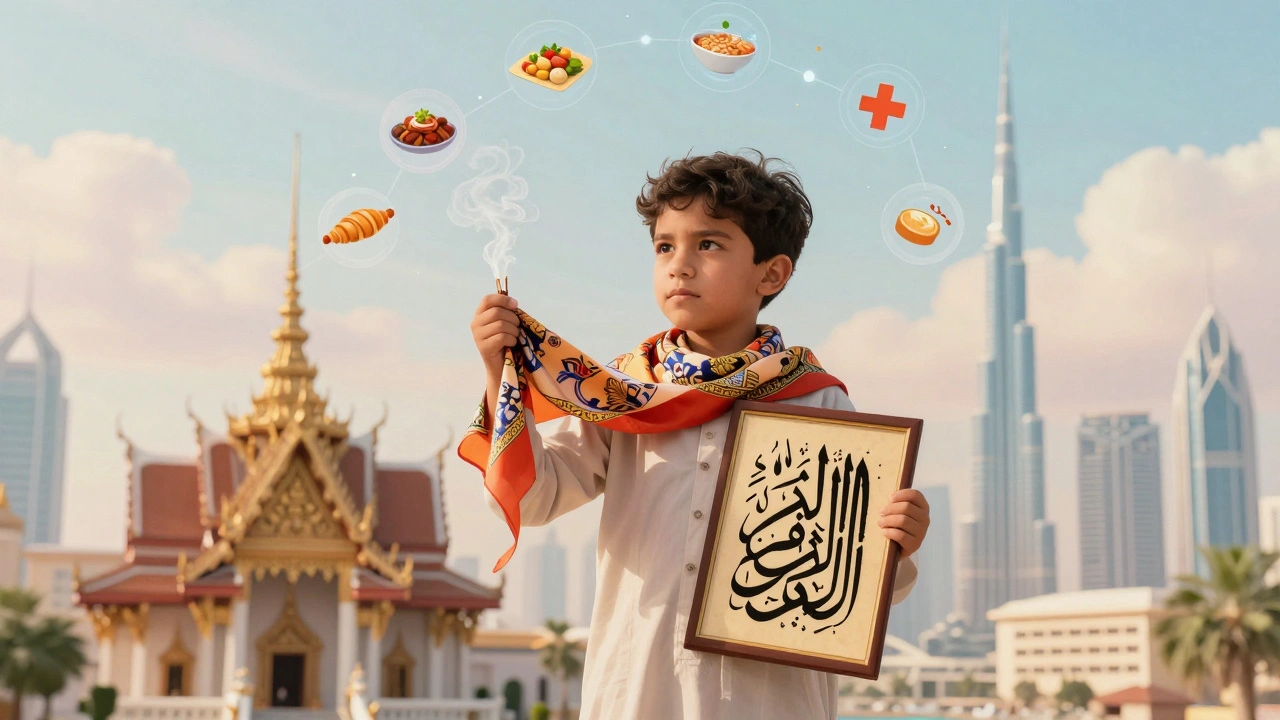
Common Misconceptions
Let’s clear up a few myths. Myth 1: “Thai girls in Dubai are all in the nightlife industry.” Reality: Less than 0.8% work in bars or clubs. The vast majority are in healthcare, education, or retail. Myth 2: “They’re all here to find rich husbands.” Reality: Most don’t date Emirati men. Cultural and legal barriers make it rare. Many focus on saving money, not romance. Myth 3: “They’re invisible.” Reality: They’re everywhere-running pharmacies, teaching kids, fixing your AC, serving your coffee. You just don’t notice them because they don’t ask for attention.How to Support the Thai Community in Dubai
If you want to help, here’s how:- Buy from Thai-owned businesses-groceries, massage parlors, food trucks.
- Learn basic Thai phrases. A simple “Khop khun kha” (thank you) goes a long way.
- Don’t assume their story. Ask, “What brought you to Dubai?” not “What do you do?”
- Support organizations like Sisterhood Dubai or the Thai Embassy’s migrant worker outreach program.
- If you’re an employer, pay fairly. Give rest days. Don’t hold passports.